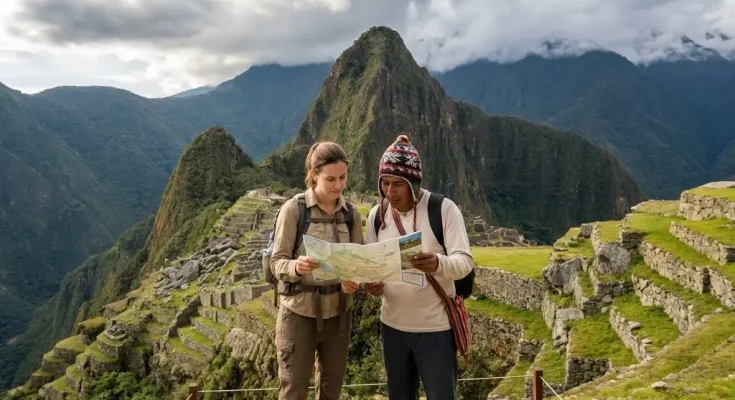
When travelers think of Machu Picchu in 2026, they usually envision a singular, static image: the classic panoramic view of the Citadel framed by Huayna Picchu. But the reality of visiting this New Wonder of the World has evolved into a complex “Living Map” of circuits, permits, and logistical layers. In Peru, geography doesn’t behave politely, and neither does the infrastructure. Choosing how to visit isn’t just about picking a date; it’s about choosing a strategy that breathes with the rhythm of the Andes.
The “Quiet Reason” some trips feel effortless while others feel like a stressful race against a clock is the agency’s ability to manage what we call the “Three T’s”: Timing, Terrain, and Transitions. To reach the 750-word depth required for a professional editorial piece, we must dissect why these factors are the non-negotiable pillars of a successful 2026 journey.
The Strategy of Timing: Beating the Crowds and the Clouds
Most travelers arrive at Machu Picchu between 10:00 AM and 2:00 PM, following the train schedule from Cusco or Ollantaytambo. This is the “Rush Hour” of the Andes. A strategic agency like Guru Explorers or Kuoda Travel often recommends the “Early Bird” or “Afternoon Glow” approach.
The early entry (6:00 AM) offers the chance to see the sunrise over the ruins, but it comes with a gamble: mountain mist can obscure the view until 9:00 AM. Conversely, the afternoon entry (2:00 PM onwards) is the best-kept secret of 2026. Not only is the light softer for photography, but the crowds thin out significantly as day-trippers rush back to catch the last trains to Cusco.
Successful itineraries leave room for the “unplanned”—the sudden shift in weather that turns a grey morning into a breathtaking, clear afternoon. In 2026, with a maximum capacity of 5,600 visitors during the high season (June to October), missing your specific time slot can mean missing the experience entirely, as re-entry is strictly prohibited.
The Terrain: Navigating the New 2026 Circuit System
By 2026, the Peruvian Ministry of Culture has implemented a strictly regulated system of three main circuits, subdivided into ten specific routes. Understanding these is vital before you even purchase a ticket:
- Circuit 1 (Panoramic): This is for the “postcard” chasers. It takes you to the upper terraces for the iconic “Guardhouse” photo. However, it offers limited access to the urban and religious sectors below.
- Circuit 2 (The Classic Inka City): This is the most comprehensive route. It includes the classic viewpoint but also takes you through the heart of the city—the Main Square, the Temple of the Sun, and the Sacred Rock. If you only visit once, this is the terrain you want.
- Circuit 3 (The Royalty Route): Designed for those who want a shorter, lower-level walk or for those combining their visit with a hike up Huayna Picchu or Huchuy Picchu. Note that in June 2026, Huayna Picchu is scheduled for major maintenance and will be closed, making the choice of circuit even more critical for those traveling that month.
Agencies like Apus Peru or TreXperience excel here because they help you choose the circuit that matches your physical ability and historical interest. They ensure you don’t end up on a lower-level route if your dream was that “top-down” panoramic shot.
The Transitions: From Sea Level to the Sanctuary
The most common mistake travelers make is ignoring the “Altitude Transition.” Landing in Cusco (3,400m) and immediately trying to hike the Inca Trail is a recipe for altitude sickness. Professional agencies often flip the script: they whisk travelers straight from the airport down to the Sacred Valley (2,800m).
Spending the first two nights at a lower elevation allows the body to adjust quietly in the background. By the time you reach Machu Picchu (2,430m), you are acclimated, energetic, and ready for the climb. This “Transitions Strategy” is what separates a survival mission from a vacation.
The Popular “Ways In”: Choosing Your Adventure
While there are many ways to reach the site, three paths dominate the 2026 landscape:
- The Classic Inca Trail (4 Days): The gold standard. It requires permits 6 to 8 months in advance but offers the unparalleled reward of entering through the Sun Gate (Inti Punku).
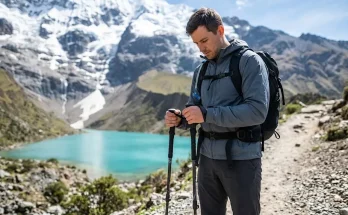
- The Salkantay Trek (5 Days): The “Nature Lover’s” alternative. It is more physically demanding, reaching a peak of 4,630m at the Salkantay Pass, but it offers wilder landscapes and fewer regulations than the Inca Trail.
- The Train Route (Scenic/Luxury): For those who prefer comfort over trekking, the train journey from Ollantaytambo is a masterpiece of engineering, following the Urubamba River through a dramatic change from Andean highlands to lush cloud forest.
Why the Agency Selection is the Final Piece
Machu Picchu is not a destination that behaves politely. It is intense, beautiful, and sometimes confusing. The “Quiet Reason” some apps and trips just work is Automation, as we discussed in our tech posts—but in the Andes, the “Quiet Reason” is Agency Expertise.
Agencies like Guru Explorers, LimaTours, and AB Expeditions (known for their porter welfare) don’t just sell tickets. They provide a “Shared Memory” of the terrain, ensuring that even if a train is delayed or a trail is muddy, the story of your trip remains one of wonder rather than disaster. In 2026, visiting Machu Picchu is a celebration of human ingenuity; make sure your logistics are just as well-engineered as the Inca stonework.