How do the specific ion profiles of high-altitude glacial meltwater alter beer flavor?
To truly understand why mountain fluid alters the final taste of an ale or pilsner, one must analyze the microscopic mineral concentrations suspended within the liquid. Calcium, magnesium, sodium, and sulfates act as powerful flavor conductors that either elevate or completely suppress specific ingredient characteristics during production.
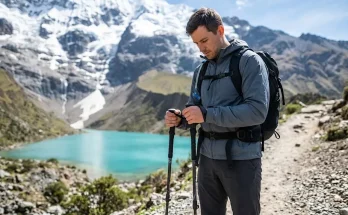
High-altitude streams moving through the hidden gems Sacred Valley holds are exceptionally low in aggressive minerals, yielding an incredibly soft structural profile. This lack of mineral weight prevents the final beverage from registering as harsh or unpleasantly dry on the back of the throat. When mineral levels are naturally minimal, delicate hop oils and clean grain sweetness can express themselves fully without being crowded out by heavy background salts. This allows regional production teams to execute ultra-clean lagers that possess a transparent crispness that is impossible to replicate using city water lines.
Why is natural pH balance critical for optimizing enzymatic grain conversion?
During the initial mashing phase, brewers mix crushed grain with hot water to trigger vital enzymatic reactions that convert complex starches into fermentable sugars. The efficiency of this biological conversion depends entirely on maintaining a highly precise, slightly acidic pH range within the blending vessel. If the water source is heavily alkaline or burdened with urban chemical additives, the enzymes fail to function optimally, leaving behind unfermented starches that ruin the batch.
- Natural mountain meltwater possesses a stable, uncorrupted pH that simplifies mash chemistry
- Low baseline alkalinity reduces the need for heavy additions of industrial food-grade acids
- Clean enzymatic conversions yield highly predictable alcohol percentages and crisp finishes
By building production schedules around unmanipulated environmental streams, mountain breweries achieve a level of recipe consistency that urban facilities struggle to maintain. Sourcing water that has been naturally filtered through ancient stone structures means the liquid enters the brewery free from organic contaminants and artificial chlorine. This structural integrity ensures that the selected yeast strains can ferment cleanly without encountering microscopic chemical resistance that could generate unwanted off-flavors.
How does the modern pursuit of raw water sources mirror classical European lager histories?
Long before modern chemical analysis allowed engineers to adjust water chemistry using laboratory additives, global beer styles were completely dictated by local water systems. The legendary crisp lagers of the Czech Republic achieved global dominance primarily because the regional water tables happened to be exceptionally soft and low in calcium. Conversely, the robust, bitter ales of England developed their famous bite because the local corporate wells contained high concentrations of natural gypsum.
Contemporary craft brands are essentially retracing these historic operational footsteps by seeking out untouched mountain ecosystems. In an era where any industrial factory can use reverse osmosis to strip water down to a blank slate, utilizing unaltered glacial streams is a powerful rejection of synthetic manufacturing. This technical philosophy prioritizes geographic terroir over artificial laboratory engineering, giving high-altitude craft beer an authentic structural identity that appeals directly to traditional beverage purists.

Why must technical water efficiency evolve into a core pillar of modern sustainable brewing?
The primary challenge confronting high-altitude production facilities is the undeniable reality that natural mountain water sources are growing increasingly scarce. Global temperature increases are systematically melting the ancient ice structures that provide the consistent baseline flow for these high-altitude river systems. This environmental shift leaves craft brands in a vulnerable position, forced to balance commercial production with regional resource protection.
To prevent local community shortages, advanced breweries are implementing high-efficiency water reclamation systems within their facilities. It is completely hypocritical to build a premium brand around mountain purity while running an inefficient operation that wastes thousands of gallons of local water daily. Transitioning toward strict conservation frameworks and funding alpine watershed protection ensures that craft operations can safeguard their prized ingredient while actively supporting the remote communities that have lived alongside these sacred peaks for generations.